By 2026, Core Web Vitals stopped being a "nice to have." Google now leans on real-world field data as a genuine ranking input, and the metric that trips most sites up is the newest one: Interaction to Next Paint (INP), which fully replaced First Input Delay. If a performance audit you're reading still talks about FID as a primary metric, it's out of date.
The three metrics, and the 2026 targets
There are three vitals, and each has a "good" threshold measured on real users (not lab tests):
- LCP (Largest Contentful Paint) — loading. Aim for under 2.5s.
- INP (Interaction to Next Paint) — responsiveness. Aim for under 200ms.
- CLS (Cumulative Layout Shift) — visual stability. Aim for under 0.1.
The critical shift: INP measures every interaction across a session, not just the first click. That exposes sluggish JavaScript, heavy third-party scripts and main-thread blocking that FID used to hide.
Why INP is the hard one
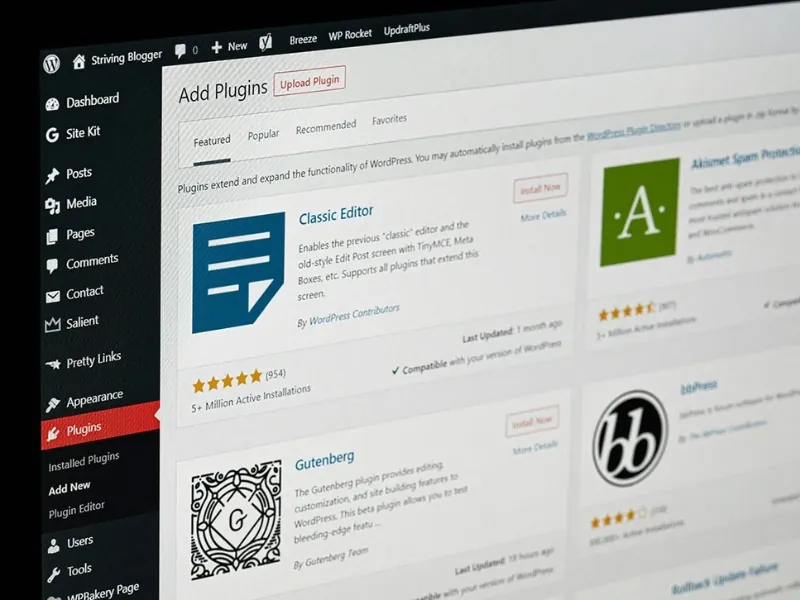
LCP and CLS are largely about how you load and lay out the page. INP is about what happens after — when someone taps "Add to cart," opens a menu or filters a product list. On WordPress the usual culprit is plugin bloat; on Shopify it's apps. Every extra plugin or app injects JavaScript that competes for a single main thread, and that's exactly what INP punishes.
Field data decides your score, not your Lighthouse number. Google reads real users through the Chrome UX Report and Search Console — so optimise for real devices, especially mid-range mobile.
My practical playbook
1. Fix LCP first (it's the quickest win)
Serve your hero image as WebP (25–34% smaller than JPEG at the same quality), give it explicit width and height, preload it, and inline the critical CSS so the browser doesn't wait on a render-blocking stylesheet. Use font-display: swap so text never goes invisible during load.
2. Attack INP by cutting JavaScript
Audit third parties ruthlessly. On WordPress, deactivate plugins you don't truly need and replace heavy page-builder widgets with lean markup. On Shopify, remove review widgets, chat bubbles and "spin the wheel" apps that you're not actively using. Defer non-critical scripts, break long tasks up, and avoid running big handlers on every interaction.
3. Kill CLS with reserved space
Give every image, embed and ad slot fixed dimensions. Reserve space for anything that loads late. Never inject banners above existing content after paint.
A realistic 90-day approach
You don't fix vitals in an afternoon, because field data updates on a rolling 28-day window. Ship your changes, then watch the Search Console Core Web Vitals report over the following month as real-user data catches up. Prioritise your highest-traffic templates (home, key landing pages, product pages) because those move the needle fastest.
The bottom line
Core Web Vitals are one of the few ranking levers you can engineer directly — and the same work that lifts rankings also lifts conversions, because fast, stable, responsive pages simply feel better to use. If your site is loading in 4–5 seconds on mobile, this is the single most direct path to a ranking improvement in 2026.